How Hybrid Event Strategies Are Redefining Brand Activation
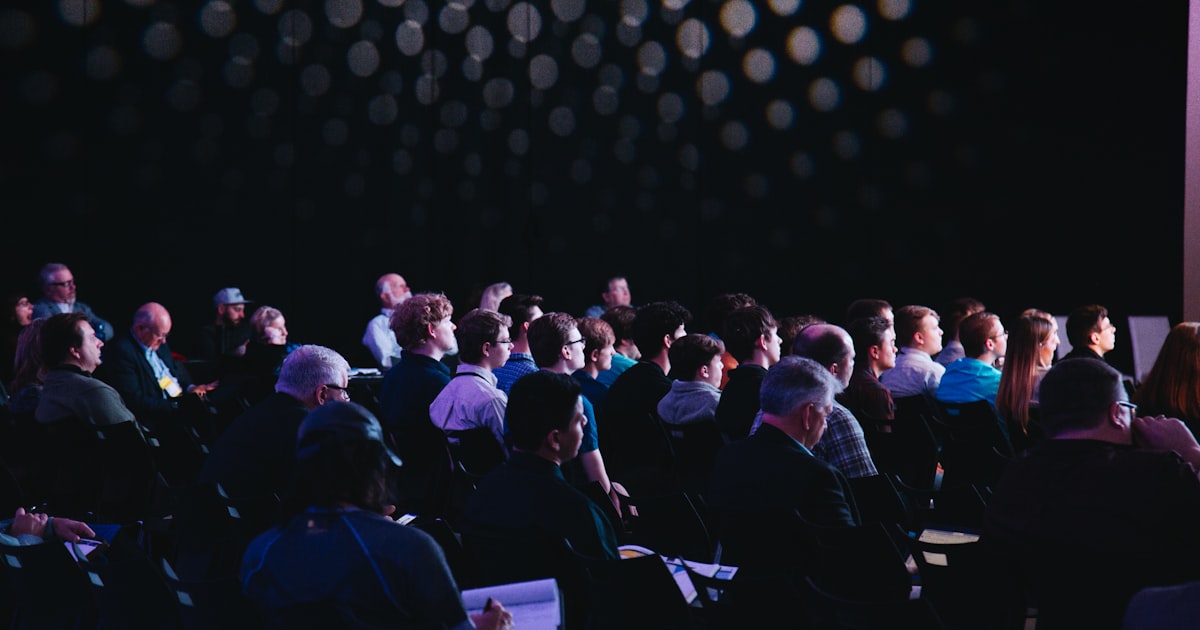
Hybrid events are no longer a pandemic workaround. They are the default model for brand activations that need both spectacle and scale. The brands winning in 2026 design physical and digital as one experience: not a stage show with a phone pointed at it and a stream that looks like an afterthought.
This matters in India because national audiences are large, travel is costly, and attention is mobile-first. A flagship night in Mumbai or Delhi can still deliver press and VIP impact. Digital layers are what turn that night into participation across cities and language markets. Poor hybrids damage perception at scale. Strong hybrids extend brand memory for weeks through clipped content and interactive layers.
Give physical and digital different jobs
Physical creates emotion, hospitality, and high-signal moments for partners and press. Digital extends reach and participation.
- Use the room for immersion and relationship
- Use the stream and clips for national access
- Use creators as co-hosts, not only attendees
- Design both layers from one creative idea
- Decide what is exclusive in-room versus open online: on purpose
If digital is an afterthought, it will look like one. Audiences notice production contempt faster than brands admit.
Fund production parity for the stream
Do not treat the live stream as leftover AV. Lighting, audio, graphics, moderation, and platform choice need the same rigour as the stage. A weak stream is worse than no stream: it scales disappointment and associates your brand with friction.
- Test platforms and bandwidth realities early
- Staff moderation and tech like a broadcast, not a side hustle
- Plan lower-thirds, captions, and language needs
- Rehearse failure paths: delay, drop, talent overtime
- Brief speakers for camera as carefully as for the room
Add interactive layers that create data and memory
Polls, Q&A, shoppable overlays, AR filters, and creator challenges turn viewers into participants. Engagement data from digital attendees is often richer than badge scans alone: if consent and CRM handoff are planned before the event, not invented afterward.
Atomise content before the event ends
One hybrid event should yield weeks of assets: keynote clips, speaker shorts, attendee testimonials, BTS reels, and regional cut-downs.
- Shot lists and rights approvals before show day
- Editors on the same timeline as the event, not days later
- Talent usage windows for clips and paid extensions
- A two-to-three week distribution calendar locked in advance
- Clear owners for each content package so nothing dies in a folder
Be smart about hubs, cost, and sustainability
Hybrid models reduce unnecessary travel while preserving flagship moments. Rotate physical hubs across cities when the brand needs regional signalling. Keep digital always capable so geography does not gate participation. Cost efficiency is a strategy outcome: not an excuse for thin experiences that waste both the room and the stream.
Measure both worlds, then blend the story for leadership
Separate KPIs for on-ground and digital, then report contribution to the same brand job.
- On-ground: attendance quality, dwell, leads, partner satisfaction
- Digital: concurrent viewers, engagement, clip performance, conversions
- Blended: cost per meaningful engagement and pipeline or sales influence where relevant
- Learning notes that improve the next hub, not only celebrate the last one
Brief partners for one experience, two venues
Sponsors, speakers, creators, and internal stakeholders often arrive with a physical-event mental model. Brief them explicitly for hybrid: what the camera will show, what online audiences can do, how Q&A works across room and stream, and which moments are exclusive. When partners are briefed only for the room, digital audiences get leftover energy. When they are briefed for both, the brand feels generous at scale. Hybrid fails as often from briefing gaps as from tech gaps.
How Brandtrove approaches this
We design hybrid activations as one system: physical spectacle, digital participation, content atomisation, and measurement across both layers. The event should feel big in the room and useful on the phone: with rights and capture planned before doors open.