Athletes as Media Brands: Structuring Equity-Led Partnerships
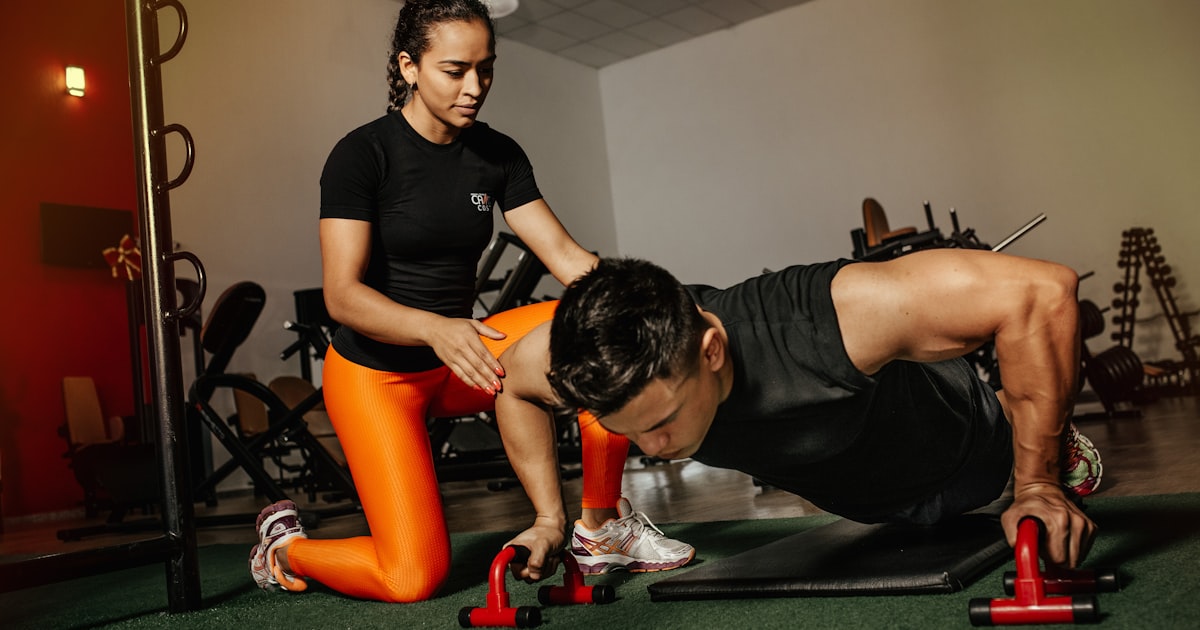
Elite athletes increasingly behave like independent media brands: owned channels, content teams, managers who think in seasons, and multi-year commercial strategies. Brands that still buy one endorsement post are buying outdated inventory — and often paying premium prices for a format the athlete’s own audience already treats as secondary.
This matters in India because cricket and other sports now mint athlete-led audiences that rival traditional media for certain cohorts. Fans follow training arcs, personality, and values — not only match highlights. A transactional post feels rented next to partners who show up inside the athlete’s real narrative across months, not hours.
Move from transactional posts to narrative ownership
Fans follow athletes for identity and story. Partnerships that plug into training cycles, competition calendars, and off-field values feel native. Generic product holds feel like interruptions.
- Map the athlete’s year: peaks, recovery, off-season storytelling
- Choose brand claims that the athlete can live, not just recite
- Prefer series formats over one-off deliverables
- Leave room for personality within clear brand guardrails
- Plan quiet months with as much intention as victory months
If the partnership only works when the athlete wins, it is a fair-weather media buy — not a media brand collaboration.
Structure for equity of association, not only fees
Milestone deliverables, multi-quarter content series, category exclusivity where justified, and clear usage windows give brands reusable assets. Athletes get partnership clarity; brands get continuity as the athlete’s profile grows.
- Define what “equity” means commercially: renewals, first rights, co-created IP
- Tie fees to deliverables and windows, not vague “association”
- Plan cut-downs and paid use from day one
- Align morals clauses and crisis paths early
- Build review points that can resize scope as profile changes
You do not need a literal equity stake to build equity of association — but you do need deal architecture that compounds instead of resetting every quarter.
Fit still beats fame
A larger following cannot fix category mismatch. Audience overlap, credibility in the product world, and comment culture matter more than a trending clip.
- Check whether the athlete’s audience matches your buyer
- Review past endorsements for conflict or dilution
- Read comments for trust or cynicism patterns
- Test whether the category claim feels earned in their world
- Compare mid-tier high-fit options against A-list low-fit options on the same brief
Activation is the product
Appearances, short-form series, fan experiences, and retail tie-ins turn athlete media into brand memory. Rights alone are not a campaign. Without activation, you own permission to be invisible while the athlete’s channels keep growing without you.
Govern the partnership like a media channel
Treat the athlete relationship with the same seriousness you would give a flagship content franchise: briefs, calendars, approvals, measurement, and quarterly reviews. When the athlete’s team produces content, brand teams need shared standards — not surprise posts that conflict with other campaigns.
- Shared content calendar and claim list
- Approval SLAs that respect live sport reality
- Asset register with usage windows
- Performance reviews tied to the partnership job, not vanity alone
When this model wins
Lifestyle, finance, tech, and performance categories win when the athlete’s discipline story mirrors the brand claim. The deal should make that story easy to tell repeatedly — across seasons, platforms, and retail moments — not once during a launch week that everyone forgets by the next fixture.
What marketers should ask before signing
Before you treat an athlete like a media brand partner, pressure-test the operating reality. Who produces content — the athlete’s team, your agency, or a hybrid? What is the weekly or monthly publishing capacity in season versus off-season? Which platforms actually hold their audience attention? How will category exclusivity be policed in practice? What happens to planned content during injury, form dips, or national duty? Soft answers here usually mean the “media brand” partnership will collapse back into occasional posts the first time the calendar gets hard.
How Brandtrove approaches this
We design athlete partnerships as media systems: discovery and fit, deal architecture, activation, rights, and performance review. The aim is narrative ownership that grows with the athlete — not a single post that expires with the algorithm.